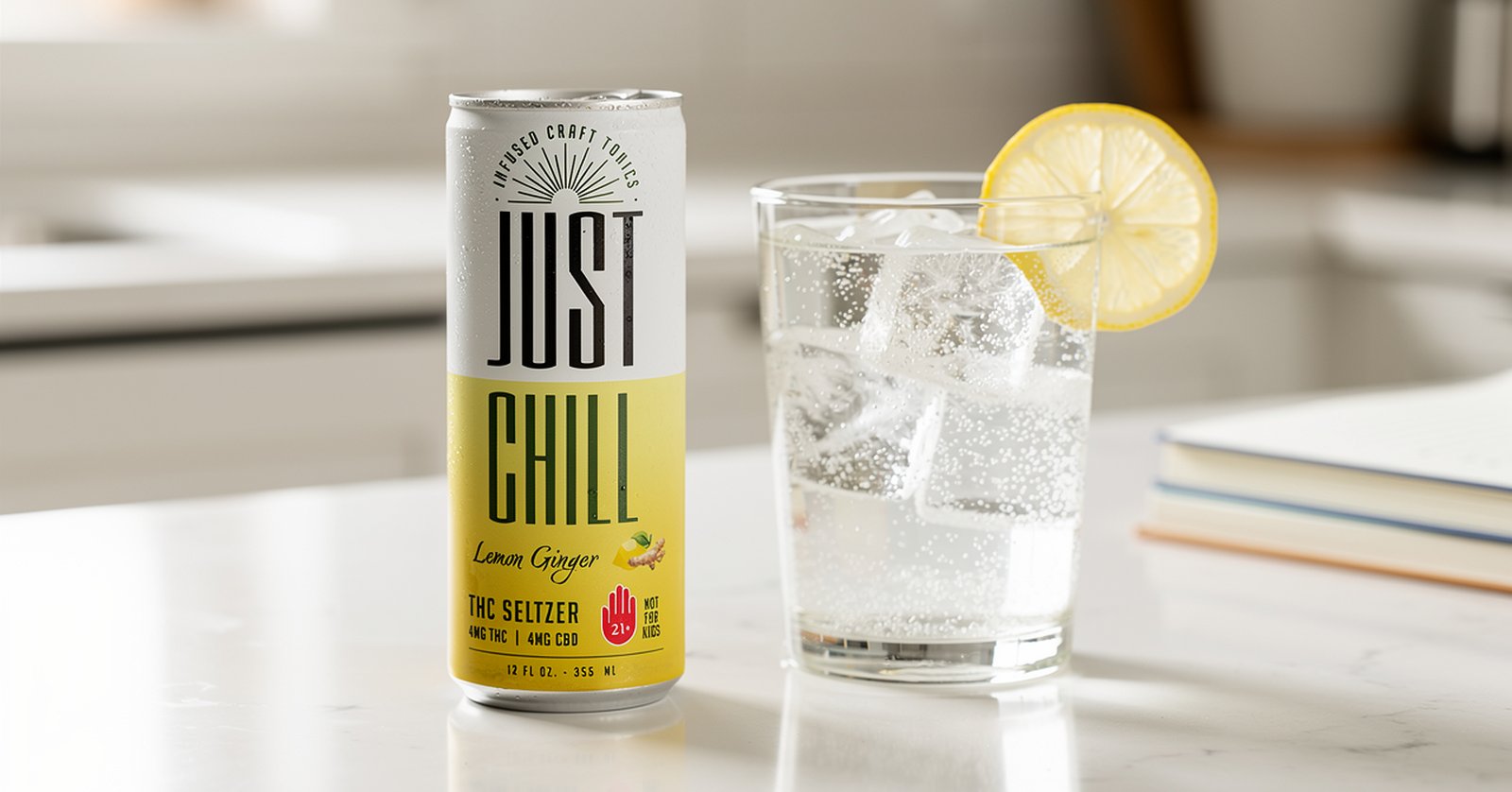
Cannabis beverages from licensed producers are generally considered lower-risk than smoking or high-dose traditional edibles due to precise dosing, faster onset, and no respiratory exposure. However, they are psychoactive substances containing THC — a compound that impairs driving, affects judgment, interacts with medications, and produces highly variable effects across individuals. No cannabis product is 'safe' in an absolute sense.
The right question is not 'are cannabis drinks safe?' It is 'what are the specific risks, and how do I manage them?'
The Green Reviews
What Makes Cannabis Drinks Lower-Risk
Precise dosing — Each can or bottle contains an exact, lab-verified amount of THC. This eliminates the dosing uncertainty of homemade edibles or flower. Faster onset — Nano-emulsified drinks produce effects in 15–30 minutes, reducing the overconsumption risk that plagues traditional edibles (where people eat more before the first dose kicks in). No respiratory risk — Unlike smoking or vaping, beverages involve zero lung exposure. Consistent formulation — Products from licensed manufacturers are batch-tested for potency, contaminants, and consistency.
| Risk Factor | Cannabis Drinks | Traditional Edibles | Smoking/Vaping |
|---|---|---|---|
| Respiratory risk | ✗ None | ✗ None | ✓ Significant |
| Overconsumption risk | Low (fast onset) | ✓ High (slow onset) | Low (instant feedback) |
| Dosing precision | ✓ Exact per can | Moderate (per piece) | ✗ Imprecise |
| Duration control | 2–4 hours | 4–8+ hours | 1–3 hours |
| Drug test detection | ✓ | ✓ | ✓ |
| Driving impairment | ✓ | ✓ | ✓ |
Real Risks You Should Know
Impaired Driving
THC impairs reaction time, spatial awareness, and judgment. There is no safe THC level for driving. Unlike alcohol, there is no reliable roadside test equivalent to a breathalyzer — but multiple studies confirm that even low-dose THC (2.5–5mg) measurably impairs driving performance. If you consume a cannabis beverage, do not drive. Period.
Overconsumption
While less common with drinks than edibles, overconsumption still happens — especially when people treat cannabis beverages like alcoholic drinks and consume several in rapid succession. Symptoms include anxiety, paranoia, nausea, elevated heart rate, and physical discomfort. These effects are temporary (typically 2–6 hours) but deeply unpleasant. Start with 2–5mg and wait at least 60 minutes before having more.
Products with CBD alongside THC — like Just Chill (4mg THC / 4mg CBD) or Cycling Frog (5mg THC / 10mg CBD) — carry lower overconsumption risk because CBD modulates the anxiogenic effects of THC. If you are concerned about anxiety, choose a product with at least a 1:1 THC:CBD ratio.
Drug Interactions
THC is metabolized by the liver's CYP450 enzyme system — the same system that processes many common medications including blood thinners, benzodiazepines, and some antidepressants. Specific interactions of concern include:
- Warfarin and other blood thinners — THC may increase bleeding risk by inhibiting CYP2C9
- Benzodiazepines (Xanax, Klonopin) — Additive sedation, potentially dangerous
- SSRIs (Lexapro, Zoloft) — May alter mood effects unpredictably
- Opioid pain medications — Additive sedation and respiratory risk
- Immunosuppressants — THC may alter drug levels
If you take prescription medications, consult your physician before using cannabis beverages. This is not pro forma legal language — it is genuine medical guidance.
Drug Testing
THC from cannabis beverages will show up on standard drug tests (urine, saliva, hair). Even a single 2mg drink can produce detectable THC metabolites for days. Regular use can produce positive results for weeks after stopping. If you are subject to workplace drug testing, CDL requirements, or court-ordered testing, do not consume any THC product.
Variable Individual Response
The same 5mg dose can feel barely noticeable for one person and uncomfortably strong for another. Body weight, metabolism, stomach contents, cannabis experience, and genetic factors in liver enzyme activity all influence how THC beverages affect you. This variability is why we always recommend starting low — even if a friend tells you they 'barely feel' 5mg.
Who Should Not Use Cannabis Beverages
- People under 21
- Pregnant or breastfeeding individuals (THC crosses the placental barrier; ACOG Committee Opinion No. 722 recommends against all cannabis use during pregnancy)
- CDL holders and people subject to drug testing
- People with personal or family history of psychosis or schizophrenia
- People taking blood thinners, benzodiazepines, or opioids without physician consultation
- Anyone about to drive or operate heavy machinery
- People with a history of cannabis use disorder or substance abuse concerns
How to Choose a Safe Product
The quality gap between the best and worst cannabis beverages is enormous. Here is what to look for:
- State-licensed manufacturer — Brands operating under state cannabis programs (like Mirth Provisions in Washington) are subject to mandatory testing. This is the highest bar.
- Certificate of Analysis (COA) — Available per batch, from an independent lab. Should cover: cannabinoid potency, pesticides, heavy metals, residual solvents, and microbial contaminants. If a brand does not publish COAs, do not buy from them.
- Clear labeling — THC and CBD per serving on the front of the can/bottle. Not buried in fine print.
- Nano-emulsion technology — Faster onset reduces overconsumption risk. Most reputable brands use this.
- No health claims — Any brand claiming their THC beverage treats, cures, or prevents disease is violating FDA regulations and should not be trusted.
Brands that meet all five criteria: Mirth Provisions, Just Chill, Cann, WYNK, Cycling Frog, Wyld.
What the Research Does Not Say
Cannabis beverages as a distinct product category have less than 10 years of market presence. Long-term epidemiological studies on regular low-dose THC consumption via beverages do not exist. Most THC research is based on smoking, which has fundamentally different pharmacokinetics (faster onset, different metabolic pathway, respiratory variables). We do not yet know what daily 5mg THC consumption via beverages does over 5–10 years.
Specific gaps in the evidence include:
- Whether nano-emulsified THC has different long-term effects than other delivery methods
- The impact of regular low-dose THC consumption on cardiovascular health
- Whether the combination of THC + CBD in balanced products produces different long-term outcomes than THC alone
- The effects of switching from daily alcohol consumption to daily THC beverage consumption
Any brand claiming health benefits from THC beverages is outrunning the evidence. And any site (including this one) that implies cannabis drinks are definitively 'safe' or 'healthy' would be doing the same. They appear to be lower-risk than alcohol, smoking, and high-dose edibles — but 'lower-risk' is not 'no-risk,' and the evidence base remains thin.
For brand comparisons, see our Cannabis Drinks Reviews. For dosing guidance, see our Cannabis Beverage Guide. For information about managing the transition from alcohol, see our Non-Alcoholic THC Drinks Guide.
Wondering if these ship to you? See the state-by-state shipping list.